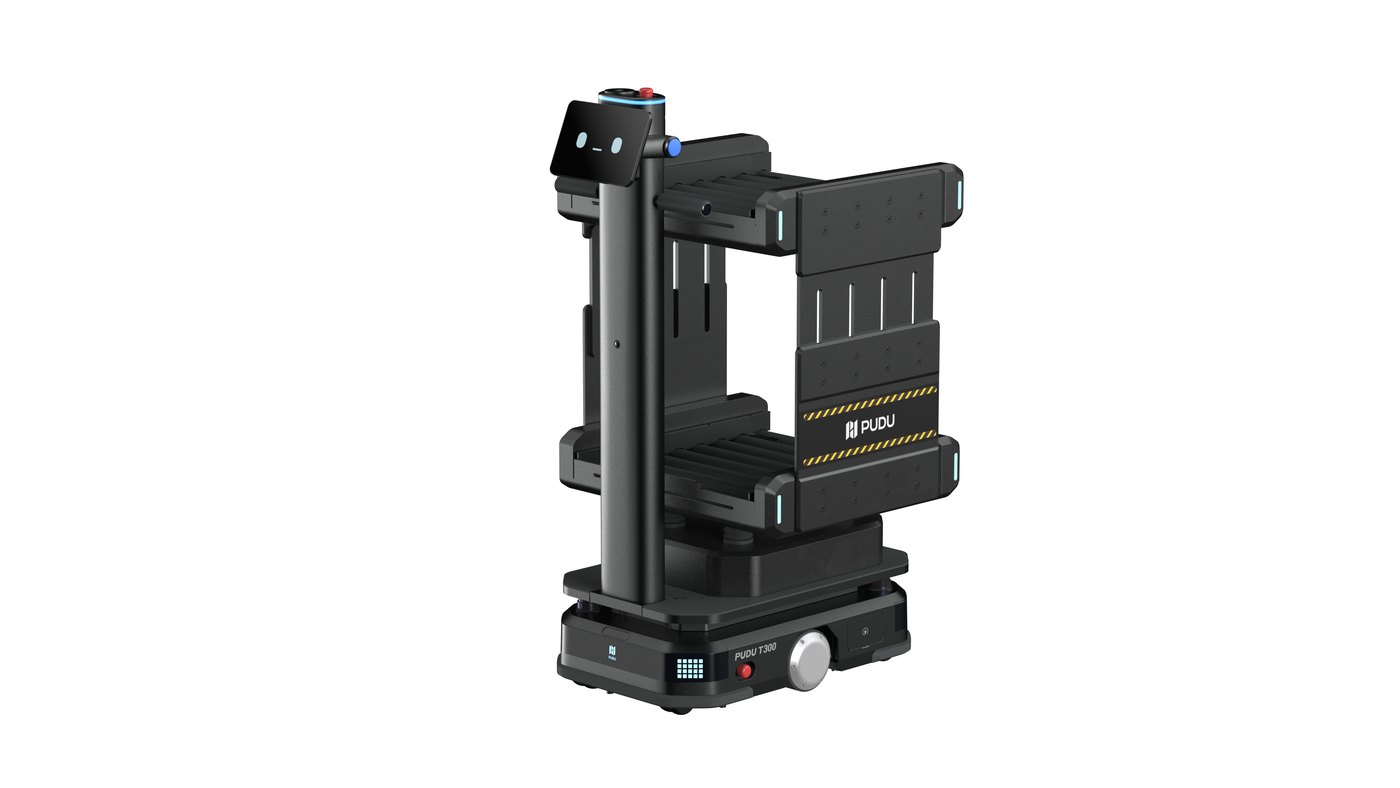
What is the difference between AMR and AGV?
An AGV is typically built around fixed guidance. It is strong for stable, repetitive routes where the environment changes slowly. An AMR uses sensors and software to localize, avoid obstacles, and plan routes with more flexibility.
For a warehouse buyer, the difference is operational. If routes change often or the site needs multiple workflows, an AMR may reduce layout friction. If the route is fixed and highly controlled, an AGV can still be practical.
Which technology fits each workflow?
| Workflow | AMR fit | AGV fit |
|---|---|---|
| Line-side delivery | Good when routes change or people share aisles | Good when route is fixed and controlled |
| Conveyor docking | Good with precise docking and integration plan | Good with fixed station layouts |
| Heavy rack movement | Good for flexible rack dispatching | Good for fixed heavy transport routes |
| Mixed warehouse picking support | Usually stronger because task flow changes | Possible but less flexible |
Navigation and safety standards
Both AMRs and AGVs are industrial mobile machines. Buyers should ask for a risk assessment, safety function explanation, emergency stop behavior, obstacle detection limits, payload limits, and staff training plan.
| Reference | Why buyers should care | Use in RFQ |
|---|---|---|
| ISO 3691-4 | Covers driverless industrial trucks and their systems. | Ask how the offered robot aligns with the relevant safety requirements. |
| ANSI/RIA R15.08 | Addresses industrial mobile robot safety in the United States context. | Ask for documented risk assessment and safety procedures. |
| Final robot datasheet | Payload, speed, obstacle handling, and docking accuracy vary by model. | Do not rely on category labels alone. |
Payload and docking questions
Payload is not only a maximum kilogram number. Buyers must confirm payload center of gravity, rack dimensions, turning radius, path clearance, docking tolerance, charging workflow, and whether accessories change runtime.
For PanPanTech discussions, the T300 class supports 300 kg delivery workflows, conveyor variants support station transfer, and the T600 class targets heavier rack and industrial delivery needs.
How to choose between AMR and AGV
- Choose AMR when route flexibility, mixed traffic, and fast deployment matter.
- Choose AGV when routes are fixed, controlled, and unlikely to change.
- Ask for a site simulation or pilot route before scaling.
- Compare payload, integration, safety documentation, and service response as a package.
FAQ
Is an AMR better than an AGV?
Not always. AMRs are usually more flexible, while AGVs can be effective on stable fixed routes.
Do AMRs need warehouse management software integration?
Some projects can start with onboard operation, but larger deployments often need integration with WMS, conveyors, elevators, or access control.
What payload should I choose?
Choose by real load weight, rack dimensions, route width, docking needs, and future expansion plans.
Can AMRs support picking?
Yes, AMRs can support goods movement, line-side delivery, and picking workflows, depending on accessories and software.
What should an AMR quote include?
It should include robot configuration, payload module, batteries, charger, software, integration, training, spare parts, warranty, and shipping documents.