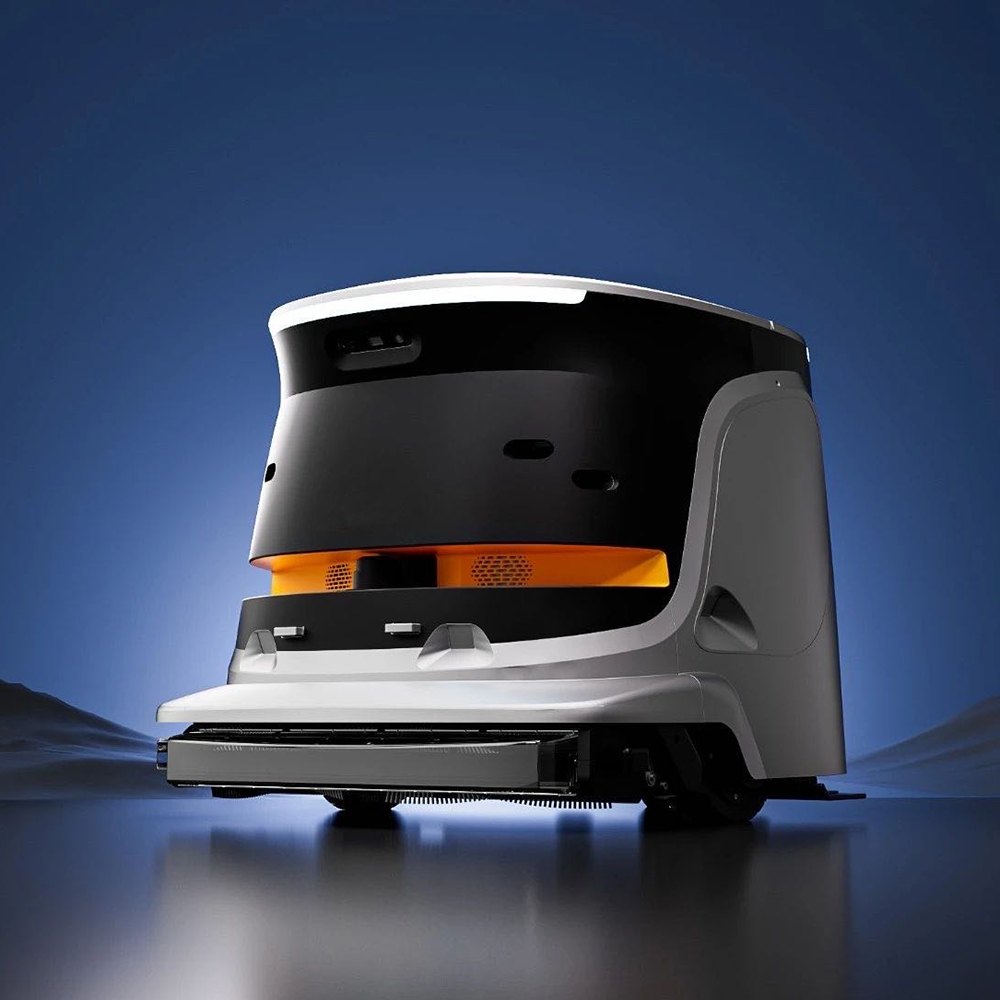
How does an autonomous floor scrubber work?
The robot maps the facility, creates repeatable cleaning routes, detects obstacles, dispenses clean solution, scrubs the floor, and recovers wastewater through a squeegee or recovery system. Operators usually define zones, schedules, no-go areas, and manual intervention rules.
The value comes from consistency. A scrubber robot can run the same route every night, record area coverage, and reduce the amount of staff time spent on broad repeated floor routes.
Where does an autonomous floor scrubber fit best?
| Site | Why it fits | Typical constraint |
|---|---|---|
| Warehouse | Large repeated hard-floor routes | Aisle width, pallets, forklifts, shift windows |
| Airport or station | High-traffic floor cleaning with audit needs | Passenger flow, operating hours, safety zoning |
| Hospital | Consistent public-area cleaning | Noise, staff handoff, infection-control procedures |
| Mall or supermarket | Visible floor quality and night cleaning | Mixed obstacles, store schedules, wet-floor controls |
Which specifications matter?
Do not choose only by headline cleaning efficiency. A wider scrub path can still underperform if the robot must stop often, cannot navigate a narrow route, or requires too much manual water handling.
| Specification | Buying meaning | Verification source |
|---|---|---|
| Scrubbing width and tank size | Determines route duration and refill frequency. | Final signed datasheet |
| Clean floor and dry surface workflow | Supports facility slip prevention and inspection routines. | OSHA walking-working surfaces |
| Driverless operation | Requires safety planning for people, routes, speed, and emergency stop behavior. | ISO 3691-4 |
What does a service station change?
A service station can reduce manual charging, water refill, wastewater discharge, and standby tasks. It matters most where the facility wants longer unattended operation or where staff cannot repeatedly support the robot during a shift.
Before buying a station, confirm water access, drainage, installation space, local plumbing rules, and service responsibility.
Supplier questions before purchase
- Which floors and cleaning chemicals are approved?
- What happens if the route is blocked?
- Can the robot export cleaning reports?
- How are spare parts, brushes, squeegees, batteries, and filters supplied?
- Which certificates and battery documents are available for the destination country?
FAQ
What is the difference between a robotic scrubber and a robot vacuum?
A robotic scrubber uses water or solution, brushes, and recovery to clean hard floors. A robot vacuum focuses on dry debris pickup.
Can autonomous floor scrubbers work in warehouses?
Yes, when routes, aisle width, floor condition, people, and forklift interactions are planned carefully.
Do scrubber robots need operators?
They need trained operators for setup, exception handling, maintenance, water workflow, and safety checks.
How do I compare runtime claims?
Ask what mode, speed, floor condition, tank workflow, and battery state were used for the runtime claim.
Which PanPanTech models fit large areas?
PT90 and IQ70B class robots are the main large-area scrubbing options in the current PanPanTech range.