What warehouse problem are you solving?
Warehouse cleaning problems usually fall into four groups: dust and debris, tire marks and spills, outdoor loading-area debris, and proof-of-work reporting. A robot vacuum may be enough for dry debris in support areas, while high-traffic logistics floors often need scrubbing or sweeping.
Start by mapping where dirt is generated: inbound docks, packaging lines, forklift lanes, pedestrian corridors, and production-side transfer routes.
Robot vacuum, sweeper, or scrubber?
| Robot type | Best warehouse use | Limitation to check |
|---|---|---|
| Commercial vacuum robot | Dry dust and light debris in offices or support areas | Not designed for wet or heavy soil |
| Autonomous scrubber | Hard-floor cleaning in large indoor routes | Needs water, drainage, and wet-floor controls |
| Outdoor sweeper | Loading areas, yards, campuses, logistics parks | Weather, debris type, slope, bin size |
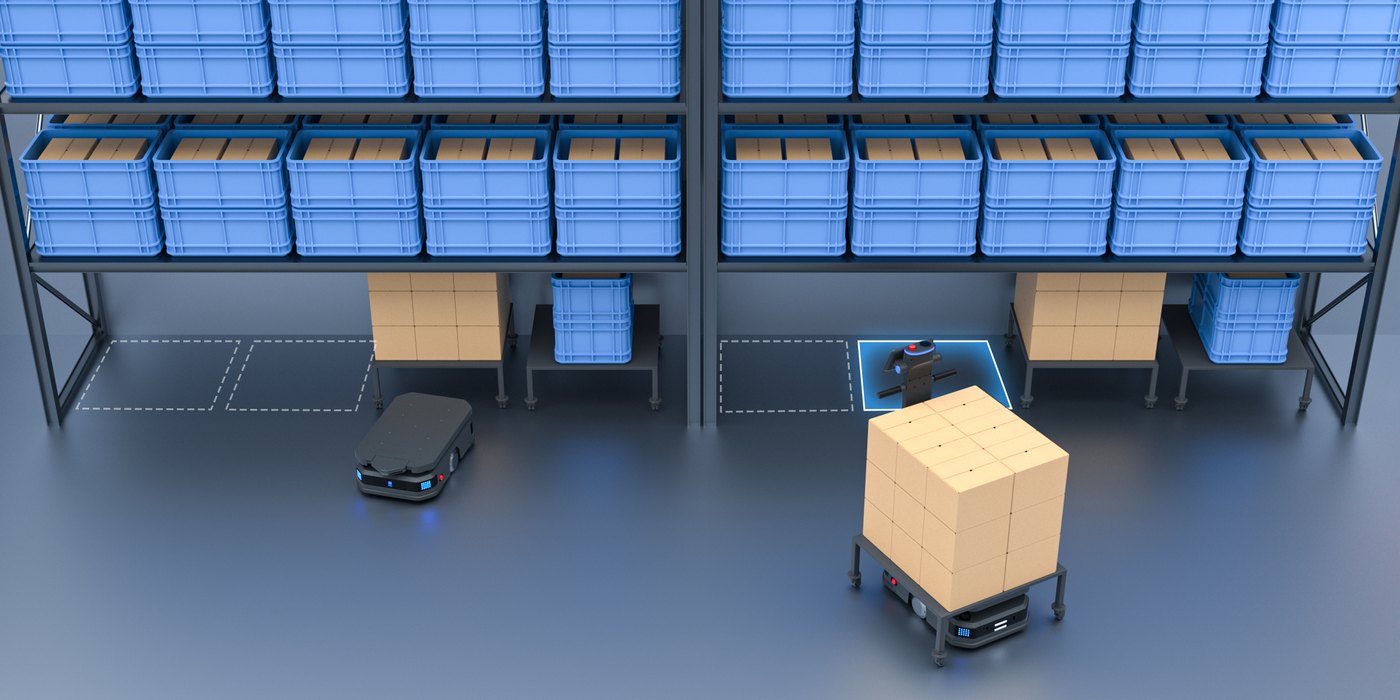
| Warehouse AMR | Material movement and picking support | Not a cleaning robot, but route planning may overlap |
Warehouse safety and traffic planning
Robots must be deployed around forklifts, pallets, workers, and temporary obstacles. Safety planning should include speed limits, stop zones, blocked-route behavior, charging locations, and staff training.
| Control point | Why it matters | Reference |
|---|---|---|
| Walkway condition | Floors should be kept clean, orderly, and dry where possible. | OSHA 1910.22 |
| Driverless industrial vehicles | Warehouse AMRs and AGVs require safety design and operational controls. | ISO 3691-4 |
| Industrial mobile robot safety | Mobile robot risk assessment should address people, payload, and work area. | ANSI/RIA R15.08 |
Cleaning and AMR coordination
Many warehouses need both clean floors and material movement. Cleaning robots should avoid peak forklift routes, while AMRs should avoid wet cleaning zones until the floor is ready. A good deployment plan separates cleaning schedules, delivery routes, charging locations, and exception handling.
PanPanTech can pair warehouse cleaning products with T300 and T600 AMR discussions when the buyer wants a broader facility automation roadmap.
Buying checklist
- Send floor area, aisle width, dock photos, and peak traffic hours.
- Identify dry debris, wet soil, tire marks, and outdoor cleaning needs separately.
- Confirm whether the robot needs route reports for contractor or facility audits.
- Ask for a pilot plan before scaling across several buildings.
FAQ
Is a warehouse robot vacuum the same as an autonomous scrubber?
No. A vacuum handles dry debris. An autonomous scrubber uses liquid and recovery to clean hard floors.
Can robots clean around forklifts?
They can work in warehouses when routes, speed, timing, and safety controls are planned around forklift traffic.
Which model fits a dusty warehouse?
For support areas, a compact cleaning robot may fit. For large hard floors, compare PT90 or IQ70B class scrubbers.
Can one supplier provide cleaning robots and AMRs?
A single supplier can coordinate both categories, but cleaning performance and material-handling performance should be evaluated separately.
What is the first step for a warehouse quote?
Share a floor map, photos, floor area, soil type, aisle width, shift schedule, and target country.