Home/ Blog/ 7 Benefits of Autonomous Cleaning Robots

Guide — Autonomous Cleaning Robots

7 Benefits of Autonomous Cleaning Robots for Facilities

Autonomous cleaning robots benefit facilities in seven measurable ways: lower cleaning cost per square meter, relief from hiring churn, consistent verifiable results, night operation, staff redeployed to higher-value work, cleaning data for management, and safer floors. Here is what each one looks like in practice — with the numbers behind it.

Updated 2026-07-15 · 14 min read

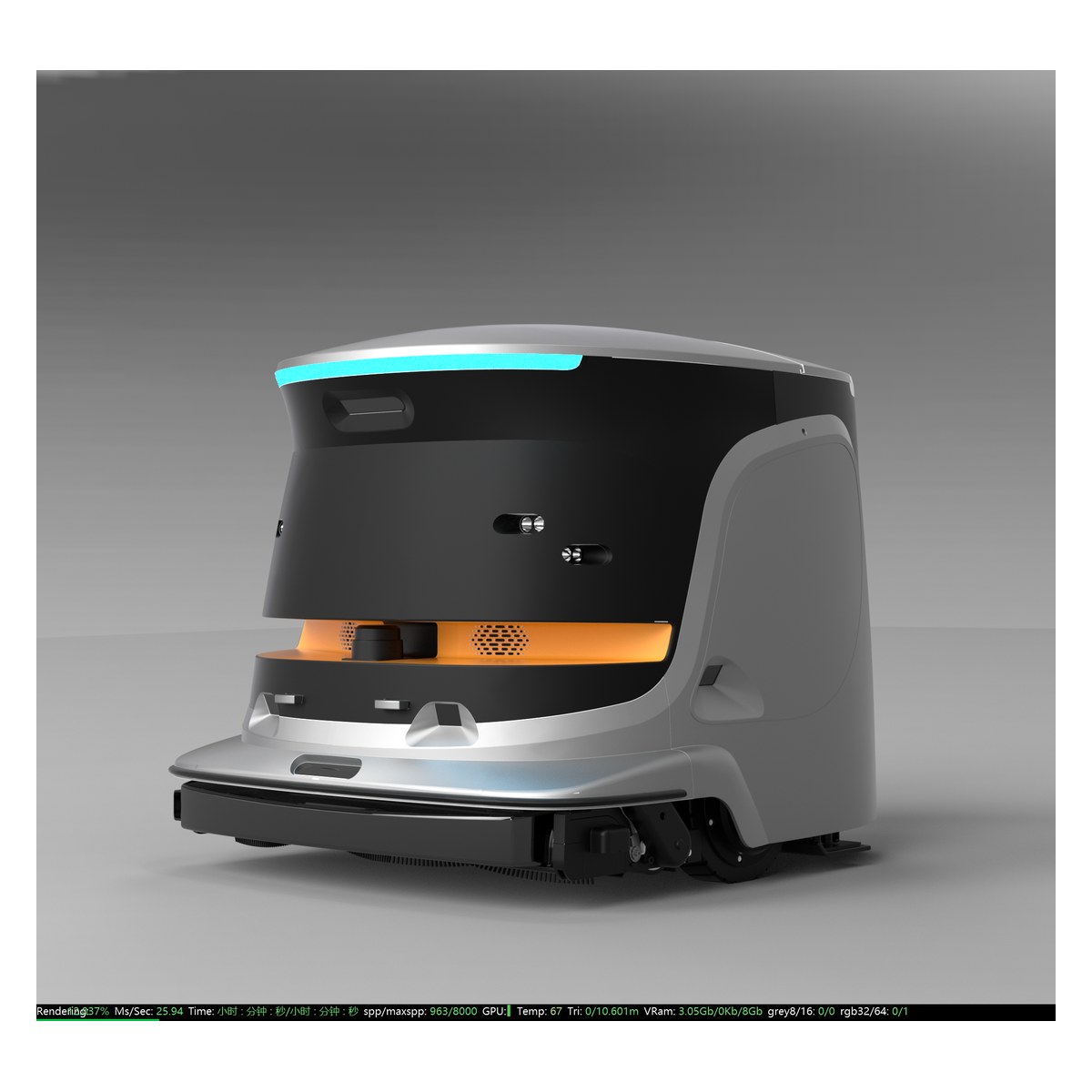
Autonomous cleaning robot scrubbing a commercial facility floor

Why are facilities switching to autonomous cleaning robots?

Because the labor model behind nightly floor cleaning is breaking. Janitorial turnover runs at 200–400% per year by industry benchmarks, the US projects about 351,300 janitorial openings every year, and wages keep rising — while autonomous cleaning robots do the repetitive floor share of that work at a fixed, predictable cost.

The result is visible in spend: the commercial segment of the cleaning robot market is growing at roughly 24% per year, from USD 1.78 billion in 2024 toward a projected USD 6.42 billion by 2030. Facility teams are not buying robots for novelty — they are buying a way out of a staffing problem that gets worse every year.

Sources: U.S. Bureau of Labor Statistics, Occupational Outlook Handbook · Grand View Research, Cleaning Robot Market Report, 2025 · ISSA/BSCAI contract-cleaning turnover benchmarks via CMM State of the Industry.

If you are new to the category, start with our overview of what a commercial cleaning robot is and the six machine types. This article assumes the basics and focuses on what changes after deployment.

How do autonomous cleaning robots work?

An autonomous cleaning robot is a mobile floor-care system, not a remote-controlled scrubber. A typical deployment combines a map of the site, scheduled routes, navigation sensors, cleaning hardware, a charging or service station, and fleet software that records the result.

01 / MapThe team walks the robot through the facility once, marks no-go zones, identifies doors and lifts, and records the surfaces that need sweeping, scrubbing, or vacuuming.
02 / PlanManagers divide the building into routes and set cleaning times, water or detergent settings, speed limits, and rules for high-traffic areas.
03 / CleanThe robot follows the route, detects people and obstacles, slows or reroutes when conditions change, and returns to charge or refill when the task is complete.
04 / ReportFleet software records coverage, run time, cleaned area, exceptions, battery use, and route completion so a supervisor can review performance without standing on the floor.

The exact sensor stack and service workflow vary by model. Ask for a live route demonstration on your own floor rather than evaluating autonomy from a product video alone.
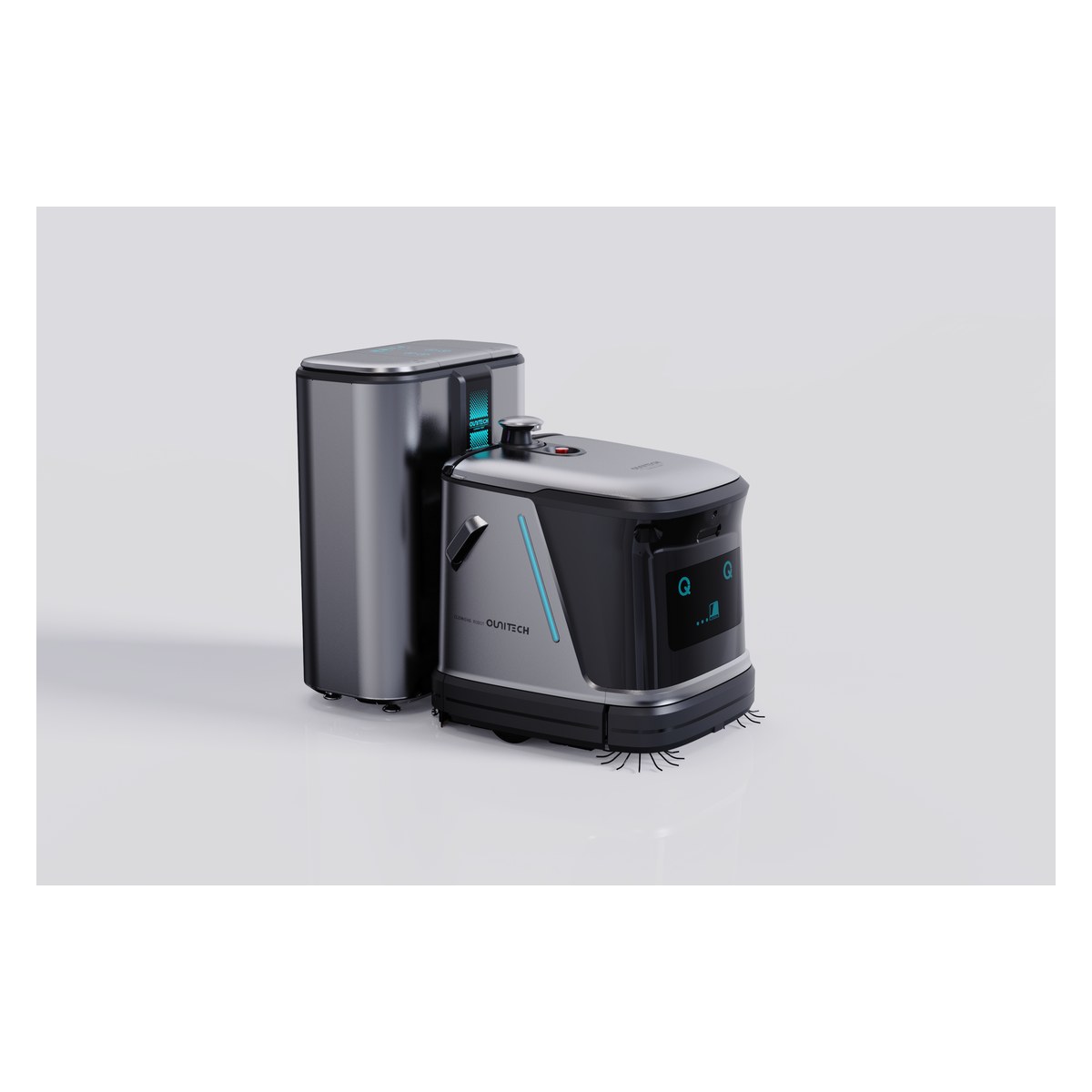
Autonomous cleaning robot with a self-service docking station
Photo: A cleaning robot paired with a docking station for repeatable daily operation.

What are the 7 benefits of autonomous cleaning robots?

01Lower cleaning cost per square meter

At the 2024 US median janitorial wage of $17.27/hour, a 4-hour nightly floor shift costs over $25,000 per year before benefits — for one site. A robot absorbs that repetitive floor share for a fixed machine-plus-consumables cost, which is why facilities of 3,000 m²+ typically see payback in 12–24 months. Machine classes and coverage rates are compared in our autonomous floor scrubber guide.

02Relief from hiring and turnover churn

With contract-cleaning turnover at 200–400% a year, a night floor position may need to be refilled two to four times annually — each cycle costing recruiting time, onboarding, and quality dips. The robot does not resign. That reliability, more than the wage math, is what facility managers most often cite after the first year.

03Consistent, verifiable results

Human cleaning quality varies by person, shift, and week. A robot runs the same route with the same brush pressure and overlap every night, and logs what it cleaned. When a tenant or auditor asks whether the floor was cleaned on the 14th, the answer is a coverage map, not a memory.

04Night and off-peak operation

Robots clean lights-out: they start on schedule, navigate dark or empty buildings, dock and recharge themselves, and flag exceptions. Facilities stop paying night-shift premiums for floor work, and daytime cleaning in retail environments becomes a visible signal of a well-managed store rather than an obstacle course of cones.

05Staff redeployed to higher-value work

The realistic outcome is not headcount elimination — it is redeployment. Floors are the most time-consuming, least skilled share of cleaning; when a robot takes them, staff hours shift to restrooms, touchpoints, detail work, and inspection. Service quality rises with the same team.

06Cleaning data for facility management

Cloud fleet software turns cleaning from an invisible cost into a managed operation: coverage maps, cleaned square meters, run times, water and battery use, exception alerts — per machine, per site. Multi-site operators manage the whole fleet from one dashboard. See how this works in our fleet cloud platform overview.

07Safer floors and safer work

Scrubber robots control water precisely and recover it as they go, leaving floors dry faster and reducing slip risk. They also remove the repetitive-strain share of cleaning work from human bodies. Commercial machines are built with obstacle detection, speed limiting, and emergency stops; ask suppliers how a model aligns with ISO 3691-4 and see our checklist of cleaning robot certifications.
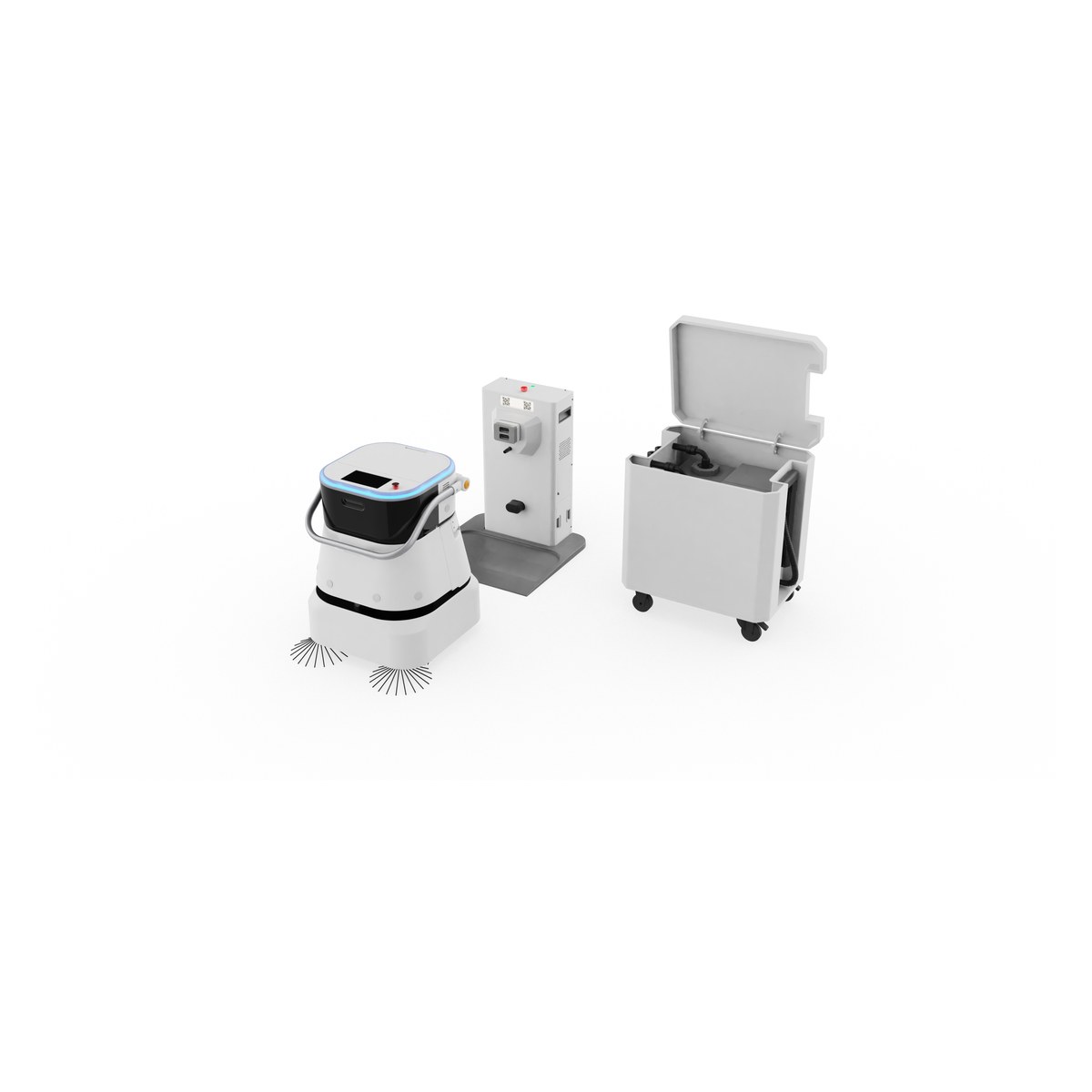
Autonomous cleaning robot with docking and service stations
Photo: A cleaning robot, charging dock, and service station working as one operating system.

Which facilities benefit most—and which do not?

The strongest business case is not determined by building size alone. It comes from the combination of repeatable hard-floor work, enough hours to keep the machine productive, and a team that can own the small amount of daily care around the robot.

Site patternWhy automation fitsWhat to check firstTypical starting point
Retail and supermarketsLarge aisles and repeatable overnight routesTrading hours, shoppers, displays, thresholdsOne mapped sales-floor route
Warehouses and distribution centersLong aisles, large areas, measurable coverageForklift traffic, floor joints, charging locationLow-traffic aisle pilot
Hospitals and care facilitiesFrequent cleaning and strong traceability needsInfection-control rules, lifts, people densityControlled corridor or public-area route
Small or highly cluttered sitesThe route may be too short or change too oftenManual setup time, tight turns, storageCompact robot or walk-behind first

Automation is a weaker fit when every clean is a one-off, floors are mostly stairs or soft surfaces, aisles are constantly rearranged, or no one can respond to a blocked route. Those conditions do not rule out a robot, but they usually call for a smaller pilot and a more realistic service plan.

Use our retail deployment guide or warehouse and logistics guide to compare route conditions before requesting a quote.

What does the ROI math look like?

200–400%
Annual janitorial turnover (ISSA/BSCAI benchmarks)
$17.27/h
US median janitor wage, May 2024 (BLS)
12–24mo
Typical payback at 3,000 m²+ daily cleaning
24.3%
Commercial cleaning robot CAGR, 2025–2030 (GVR)

Sources: BLS · Grand View Research · ISSA/BSCAI via CMM. Actual payback depends on local wages, site layout, and utilization.

A simple way to frame the decision for one site:

Cost lineManual floor shiftAutonomous robot
Annual labor (4 h/night)≈ $25,000+ before benefits, per BLS median wageSupervision only — minutes per day
Rehiring and onboarding2–4 cycles/year at industry turnover ratesNone for the floor route
Machine and consumablesWalk-behind scrubber, pads, detergentRobot, brushes, filters, software — fixed and quotable
Quality assuranceSpot checks and complaintsCoverage maps and run logs per night

Framework: PanPanTech deployment experience, 2026. Ask for a site-specific calculation with your floor area and wage levels.

What should the total-cost calculation include?

Purchase price is only one line. A credible business case includes the robot, docking or fill-and-dump equipment, mapping and training, software, power, water and detergent, brushes and squeegees, battery replacement, service response, and the supervisor time needed to handle exceptions. Put those costs beside the labor hours that will actually be redeployed—not an optimistic assumption that the robot will remove every cleaning task.
01Baseline: record current labor hours, floor area, cleaning frequency, wage burden, overtime, rework, and complaints for at least one representative week.
02Utilization: calculate the hours the robot can really run after charging, refilling, people traffic, lifts, locked doors, and manual edge work.
03Service: price consumables, preventive maintenance, remote support, spare parts, on-site response, and what happens when the machine is unavailable.
04Payback: compare monthly operating cost with verified labor hours redeployed and divide the net investment by the monthly benefit.
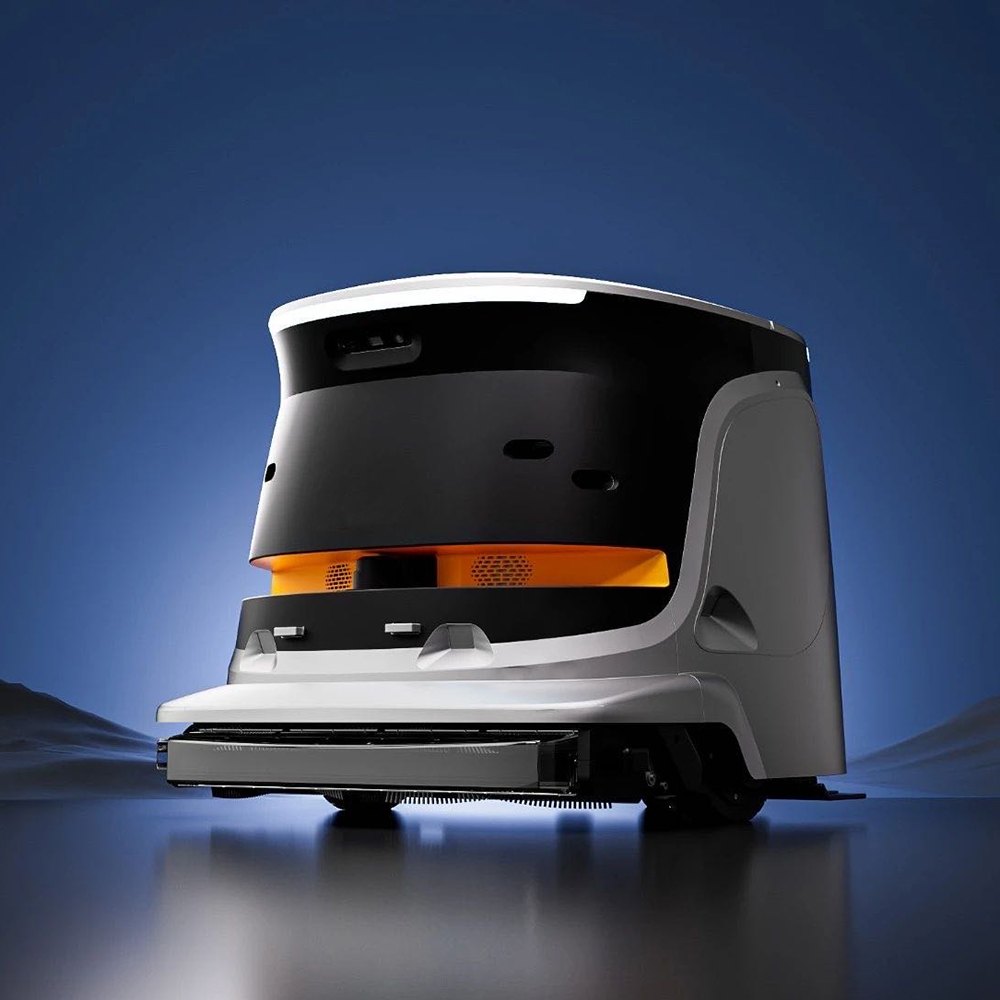
Autonomous floor scrubber designed for large commercial spaces
Photo: A commercial floor scrubber sized for repeatable coverage on large hard-floor sites.

How do you introduce robots without disrupting operations?

The successful pattern we see across deployments is deliberately boring:

Start with one machine on your largest, most repetitive floor area — usually the main hall, sales floor, or warehouse aisles. Browse machine classes in the Smart Robots catalog.
Run it alongside the existing team for two to four weeks; publish the coverage reports internally so results are visible, not anecdotal.
Redefine the human roles around the robot: who fills and empties tanks, who reviews exceptions, who owns detail cleaning.
Only then scale — add machines or sites with the fleet dashboard, and negotiate spare parts and service response into the contract.

What should be ready before the first route?

Most early failures are operational rather than technological. Walk the route with the cleaning lead, security team, and site manager before mapping it. Remove temporary storage, confirm door and lift access, mark low-clearance hazards, choose a dry and ventilated charging location, and agree who responds when a route stops. If the robot uses water, confirm drainage, refill, and wastewater handling before installation day.

01Provide a current floor plan and identify areas that must remain open, quiet, dry, or inaccessible to machines.
02Set a route owner and an escalation contact for blocked paths, low battery, spills, alarms, or unexpected people traffic.
03Train the team on daily care, safe stop procedures, tank handling, brush checks, and how to read the fleet report.
04Define success before the pilot: completed route percentage, cleaned area, manual hours redeployed, exceptions, and floor quality.

For large hard-floor sites, the PT90 autonomous floor scrubber is the usual starting point; warehouses should also read our note on warehouse & logistics deployments.

What should managers measure in the first 30 days?

A pilot is useful only when it produces an operating baseline. Do not judge the machine by how impressive it looks on day one; compare the planned route with what was completed, what required help, and what the team did with the recovered hours.

Route %
Planned route completed without manual recovery
/run
Cleaned area per shift after charging and service time
Stops /wk
Blocked paths, alarms, people interruptions, and exceptions
Hours back
Human floor hours redeployed to detail or inspection work

Review the numbers weekly with the cleaning supervisor, not only with the vendor. A route that covers less area but completes reliably may be better than a faster route that needs repeated intervention. The aim is a stable operating rhythm that improves over time.

What should buyers ask a cleaning robot supplier?

Ask for evidence that the system will work in your building, and ask for the commercial terms that keep it working after installation. A polished demonstration is not a substitute for a route test, service plan, or total-cost model.

01Route proof: Can the robot map your actual floor, handle thresholds and lifts, and resume after an interruption?
02Safety proof: Which sensors, speed limits, emergency stops, and risk-assessment documents support operation around people?
03Data ownership: What coverage, exception, and maintenance data can your team export, and how long is it retained?
04Service terms: Who responds after an alarm, what parts are locally stocked, what is the target response time, and what is excluded from warranty?
05Scale path: Can one dashboard manage more sites, and can routes, permissions, and reports be standardized as the fleet grows?

For a safety review, ask suppliers to explain how their system aligns with ISO 3691-4 and provide the documented limits of the specific model being quoted.

FAQ

Are autonomous cleaning robots worth it?
For facilities with roughly 3,000 m² or more of daily-cleaned hard floor, deployments typically pay back in 12–24 months through labor savings, night operation, and more consistent coverage. Below that size, a compact machine or walk-behind is often better economics.
How many staff does one cleaning robot replace?
One robot running a nightly floor route typically offsets about one full-time-equivalent position of repetitive floor work. Most facilities redeploy those hours to detail cleaning, restrooms, and touchpoints rather than cutting headcount.
Can autonomous cleaning robots work safely around people?
Yes. Commercial machines combine LiDAR, cameras, and ultrasonic sensors with speed limiting, obstacle avoidance, and emergency stops. Buyers should ask how a model aligns with ISO 3691-4 and request the documented risk assessment.
Can they clean at night without supervision?
Yes — lights-out operation is one of the main benefits. The robot follows scheduled routes, docks and charges itself, and flags exceptions to the fleet dashboard. Sites need basic preparation such as clear aisles and a fill-and-dump station for scrubbers.
What maintenance do autonomous cleaning robots need?
Daily: empty and rinse tanks, check brushes and squeegees. Weekly: clean filters and sensors. Annually: professional service for batteries and wear parts. Quotes should include consumables, spare parts, and service response terms.
What data do cleaning robots report?
Cloud fleet software logs coverage maps, cleaned area, run time, water and battery usage, and exceptions per run — giving facility managers verifiable proof of work for tenants, auditors, and cleaning contracts.

Want the ROI math for your own site?

Send your floor area, floor types, and current cleaning schedule — PanPanTech will run the numbers and recommend a machine class.

Request a Quote