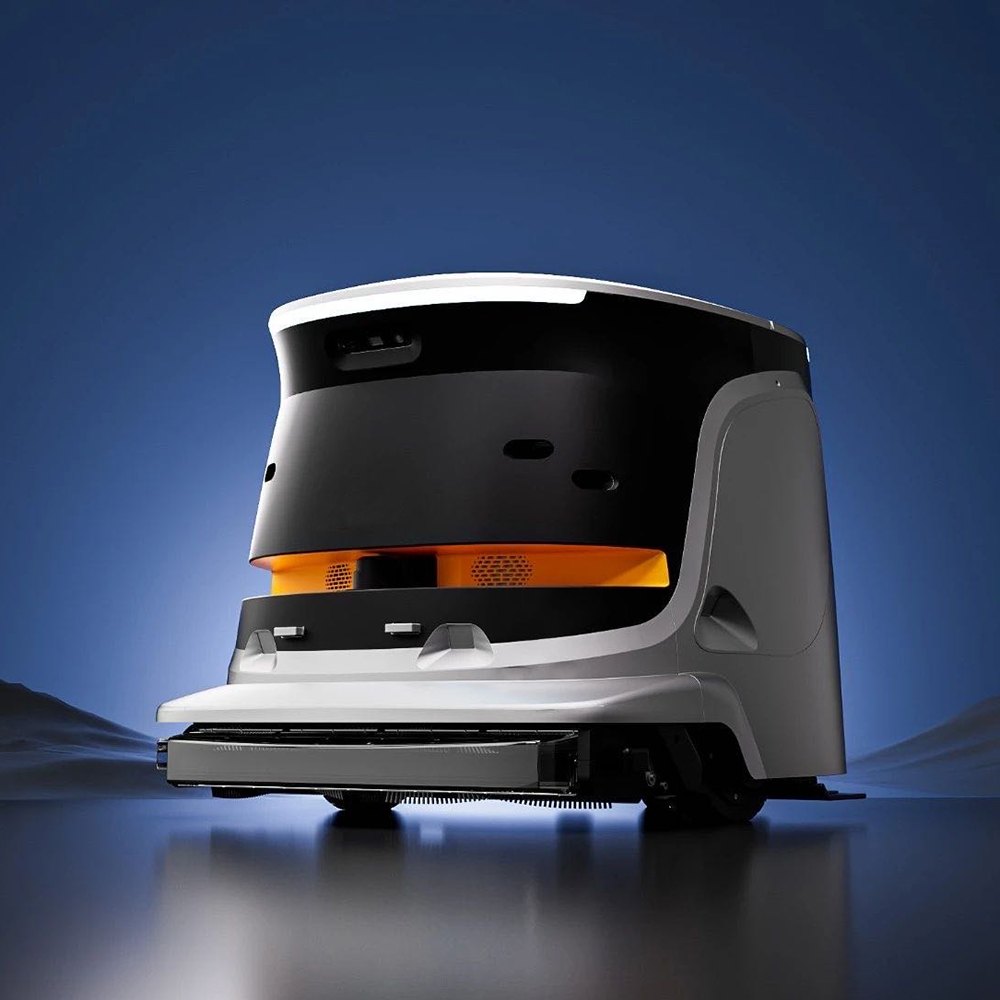
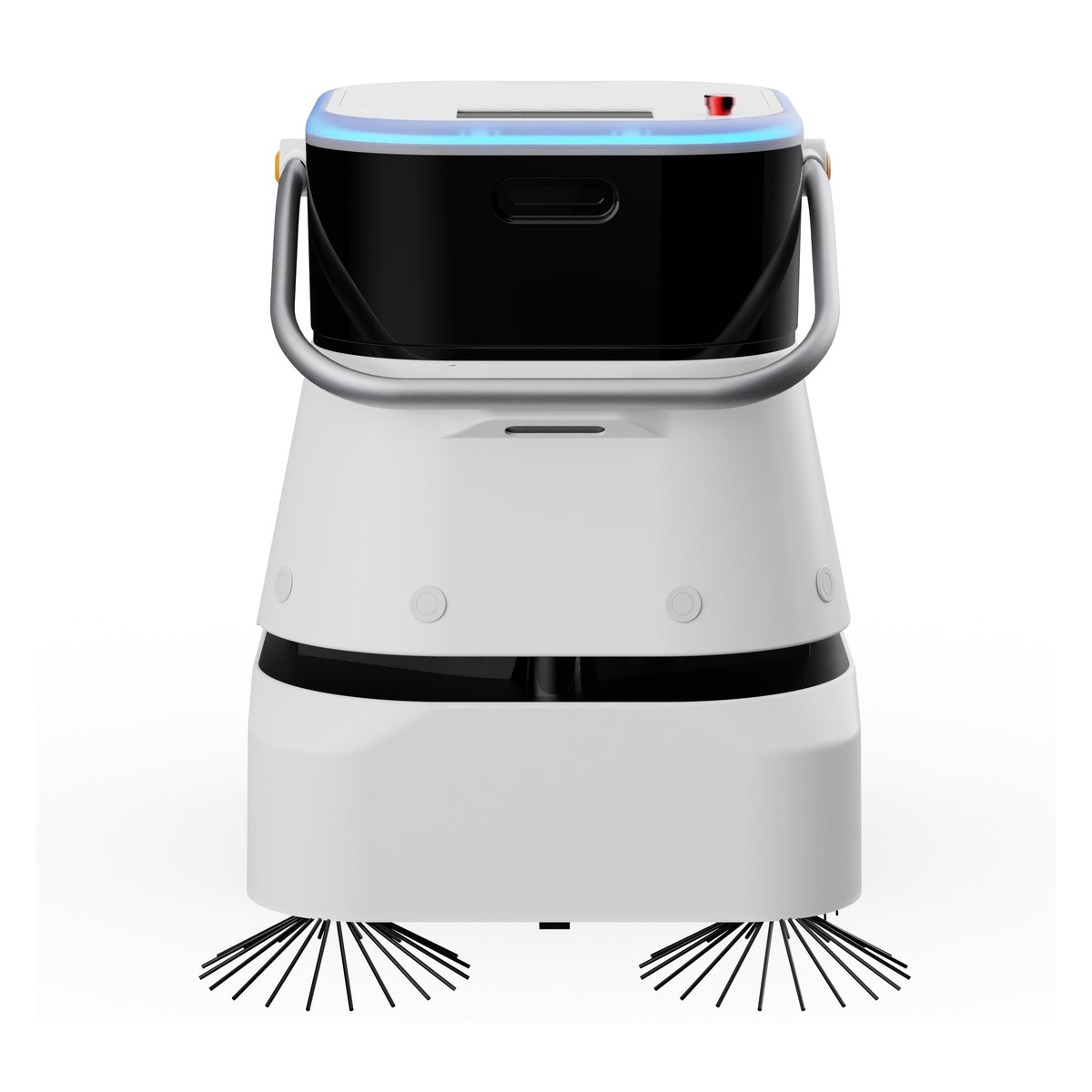
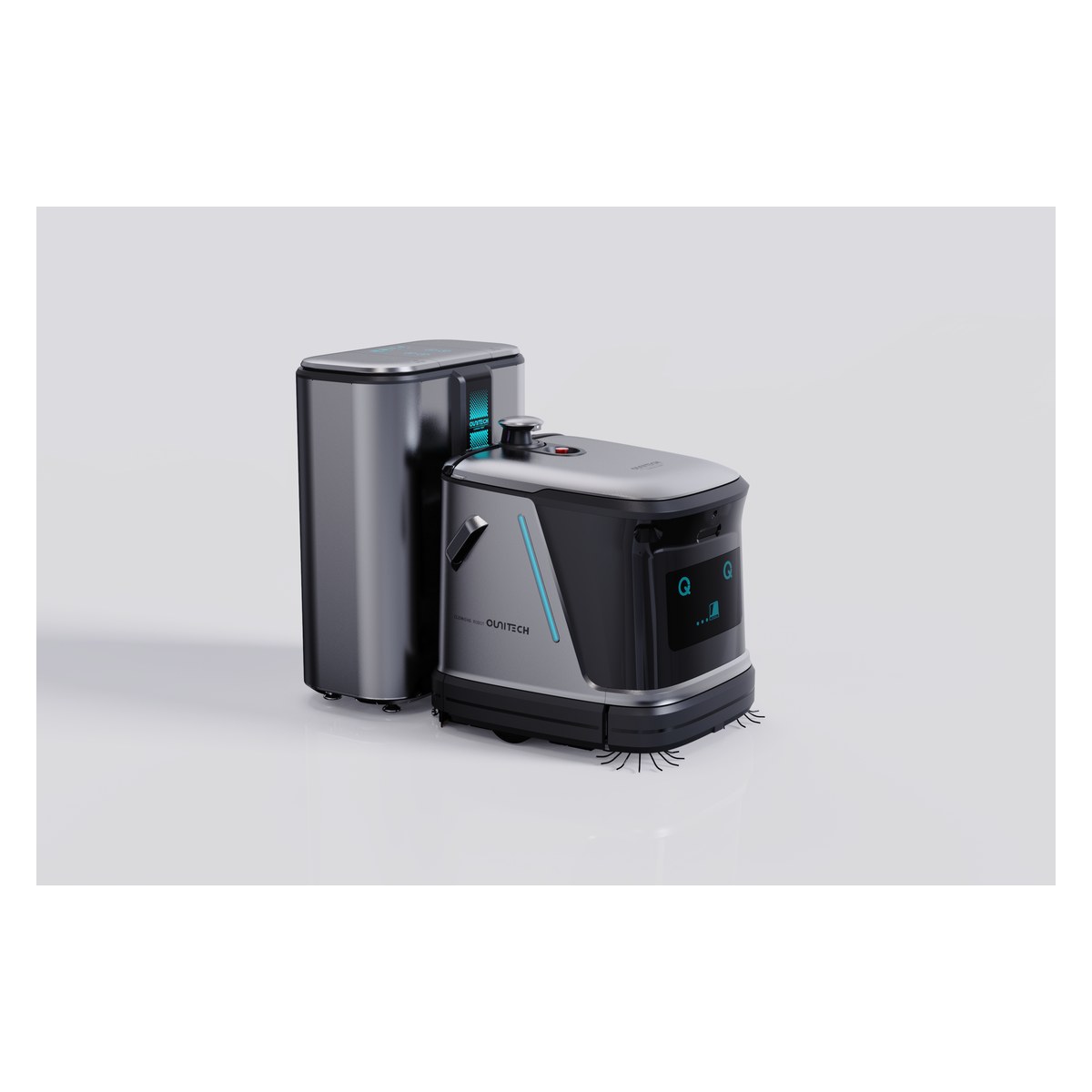
What Is a Commercial Cleaning Robot? Types & Uses Explained
A commercial cleaning robot is an autonomous machine that scrubs, sweeps, vacuums, or mops floors in businesses — warehouses, stores, offices, hospitals — without an operator. It navigates with LiDAR and cameras, follows scheduled routes, avoids people, and reports cleaning results to a cloud dashboard.
Updated 2026-07-10 · 10 min read
What is a commercial cleaning robot?
A commercial cleaning robot is a self-driving cleaning machine built for business floor areas. Unlike household robot vacuums, it is engineered for thousands of square meters per shift, industrial safety behavior, multi-hour battery runtimes, and centralized fleet management.
The category covers several machine families: autonomous floor scrubbers that wash hard floors with water and detergent, commercial robot vacuums for carpets and dry debris, outdoor sweeping robots, and specialized machines such as facade (window) cleaning robots. What unites them is autonomy — the robot maps the site once, then repeats cleaning routes on schedule, docks itself, and logs proof-of-work reports.
Buyers usually meet the category through one of two doors: a facility team looking to cover night-shift floor cleaning without adding headcount, or a distributor looking for a manufacturing partner to supply machines under their own brand. This guide covers both angles, with links to deeper articles per machine type.
What are the main types of commercial cleaning robots?
Six families cover almost every commercial use case. Match the machine to the floor type and area first, then to the site's traffic pattern.
TypeBest forTypical coverageLearn more
Autonomous floor scrubberHard floors in warehouses, malls, airports; wet scrubbing with recovery1,000–4,000 m²/h depending on classScrubber guide
Disinfection robotHospitals, labs; UV-C or spray sanitationRoom-by-room cyclesService models
Coverage figures are typical catalog ranges across machine classes; confirm the final datasheet per model. Source: PanPanTech product line data, 2026.
Photo: PanPanTech C2-class multifunction cleaning robot — one machine, four cleaning modes.
How big is the commercial cleaning robot market?
The commercial segment of the cleaning robot market generated about USD 1.78 billion in 2024 and is projected to reach USD 6.42 billion by 2030 — a 24.3% CAGR. Rising cleaning labor costs and persistent vacancy in janitorial roles are the main drivers.
Two labor facts explain the growth. First, the U.S. alone projects roughly 351,300 janitorial job openings every year through 2034, most from turnover — positions that are increasingly hard to fill for night shifts. Second, wages keep climbing: at the 2024 median of $17.27/hour, a single nightly 4-hour floor-cleaning shift costs over $25,000 per year before benefits. A robot that absorbs that repetitive floor work typically pays back in 12–24 months.
Regionally, North America held over 30% of cleaning robot revenue in 2024, while Asia Pacific is the fastest-growing region — which is also where most of the world's commercial cleaning robots are manufactured, including the lines PanPanTech ships from its Guangzhou base.
How do commercial cleaning robots work?
Modern machines combine four systems. Understanding them helps you compare datasheets instead of marketing claims.
NavigationLiDAR builds a 2D/3D map of the site; cameras and ultrasonic sensors add close-range detail. The robot localizes itself on that map within centimeters. See our breakdown of navigation and autonomy technology.
Cleaning systemBrush decks, vacuum motors, water tanks, and squeegees sized to the machine class. Wet scrubbers manage clean and recovery water; multifunction machines swap or combine modules.
Safety behaviorObstacle detection, speed limiting near people, emergency stops, and drop sensors. For driverless industrial machines, buyers should ask how a model aligns with ISO 3691-4 and request the risk assessment.
Fleet cloudScheduling, remote monitoring, cleaning reports, and multi-site management from one dashboard — essential beyond two or three machines. See fleet cloud platform.
Deployment is lighter than most buyers expect: a technician (or trained facility staff) drives the robot once around the site to map it, defines cleaning zones and no-go areas, and sets schedules. Single sites are typically live within one to three days.
What do they change in daily operations?
The honest comparison is not robot versus mop — it is robot versus a walk-behind machine plus the labor to push it every night.
FactorManual / walk-behindAutonomous robot
Coverage per hourApprox. 700–1,100 m² (8,000–12,000 sq ft) with a skilled operator1,000–4,000 m² per machine class, repeatable nightly
Labor per shiftOne operator occupied full-timeSupervision only; staff freed for detail cleaning
ConsistencyVaries by person, shift, and turnoverSame route, pressure, and coverage every run, with digital proof
Night operationRequires night-shift staffingRuns lights-out; charges and docks itself
Typical payback—12–24 months in facilities of 3,000 m²+ with daily cleaning
Sources: industry deployment benchmarks compiled from Grand View Research and published ROI analyses of autonomous scrubber deployments, 2025–2026. Actual results depend on site layout and local wages.
Where does this land in practice? Warehouses and logistics hubs are the clearest fit — long aisles, hard floors, predictable layouts. See how the machines slot into a distribution environment in our warehouse & logistics solution, or the retail equivalent in retail environments, where daytime cleaning doubles as a customer-facing signal that the store is managed well.
Photo: PanPanTech Q3-class scrubbing robot on a retail deployment route.
How to choose a commercial cleaning robot
Work through these six checks before requesting quotes — they eliminate most mismatches early.
→Measure the real cleanable area and floor types. Under ~3,000 m² of open hard floor, a compact machine or even a walk-behind may be the better economics.
→Map the obstacles: ramps, elevators, narrow aisles, door thresholds. Minimum aisle width and climbing ability are datasheet lines that decide success.
→Decide water strategy for scrubbers — where the robot fills, dumps, and charges. A workstation dock automates all three.
→Verify certifications for your market: CE, FCC, and battery documents. Our checklist of cleaning robot certifications covers what to ask for.
→Compare the quote as a package: machine, consumables, software licenses, training, spare parts, warranty terms, and shipping documents.
→Pilot first. A one-machine pilot on your worst floor tells you more than any datasheet; scale to a fleet once routes and reports prove out.
If you are evaluating specific machines, start with the PT90 autonomous floor scrubber for large hard-floor sites, or browse the full Smart Robots catalog spanning scrubbing, vacuum, outdoor, and facade classes.
FAQ
What is the difference between a commercial and a household cleaning robot?
Commercial cleaning robots are built for large floor areas, long runtimes, industrial safety standards such as ISO 3691-4 alignment, and fleet software. Household robots are smaller, slower, and not designed for public spaces or business duty cycles.
How much does a commercial cleaning robot cost?
Compact commercial robot vacuums often start in the low five figures (USD), while ride-on class autonomous floor scrubbers can reach the mid five figures. Many suppliers also offer rental or RaaS plans. Always compare quotes with software, training, spare parts, and warranty included.
Do commercial cleaning robots replace janitorial staff?
Usually they take over repetitive floor work so staff can focus on detail cleaning, restrooms, and touchpoints. One robot running nightly can offset roughly one full-time position of floor-cleaning labor in large facilities.
What facilities benefit most from cleaning robots?
Facilities with 3,000 m² (about 30,000 sq ft) or more of open, daily-cleaned hard floor benefit most: warehouses, supermarkets, malls, airports, hospitals, and factories.
What certifications should a commercial cleaning robot have?
For export markets, buyers typically verify CE (EU), FCC (US radio), and relevant safety alignment such as ISO 3691-4 for driverless industrial machines, plus battery transport documents like UN 38.3.
How long does deployment take?
A single-site deployment with mapping, route setup, and staff training typically takes one to three days. Multi-site fleets need a rollout plan and cloud fleet management.