Robotic Floor Scrubber vs. Walk-Behind: Which Should You Buy?
A robotic floor scrubber cleans on its own schedule and typically pays back in 12–24 months on large, daily-cleaned floors. A walk-behind costs a fraction upfront and wins in small or cluttered spaces. The deciding factors are floor area, layout stability, and what an hour of cleaning labor costs you.
Updated 2026-07-17 · 12 min read
What is the difference between a robotic and a walk-behind scrubber?
Both machines scrub hard floors with brushes, water, and a squeegee-vacuum recovery system. The difference is who drives: a walk-behind needs an operator pushing it for the whole shift; a robotic floor scrubber navigates itself with LiDAR and cameras, repeats scheduled routes, and reports what it cleaned.
That single difference — the operator — cascades into everything buyers care about: labor cost, consistency, night operation, and price. The scrubbing mechanics are mature on both sides; you are really choosing a labor model, not a brush deck. For the mechanics themselves (tanks, docking, specs line by line), see our autonomous floor scrubber guide.
Robotic vs. walk-behind: head-to-head
FactorRobotic scrubberWalk-behind scrubber
Upfront costLow-to-mid five figures (USD), or RaaS from ~$450/month≈ $1,400–3,300 depending on class
Labor per shiftMinutes — fill, empty, review alertsFull operator for the entire shift
Coverage1,000–4,000 m²/h, repeatable nightly, lights-out≈ 700–1,100 m²/h with a skilled operator
Best layoutLarge open floors, stable routes, aislesSmall, cluttered, or frequently changing spaces
ConsistencySame route and pressure every run, with coverage logsVaries by operator and shift
Edges & spillsSkips tight corners; not for spot responseExcellent — goes exactly where pushed
MaintenanceDaily tanks/brushes, weekly filters/sensors, annual serviceSimilar consumables, no sensors
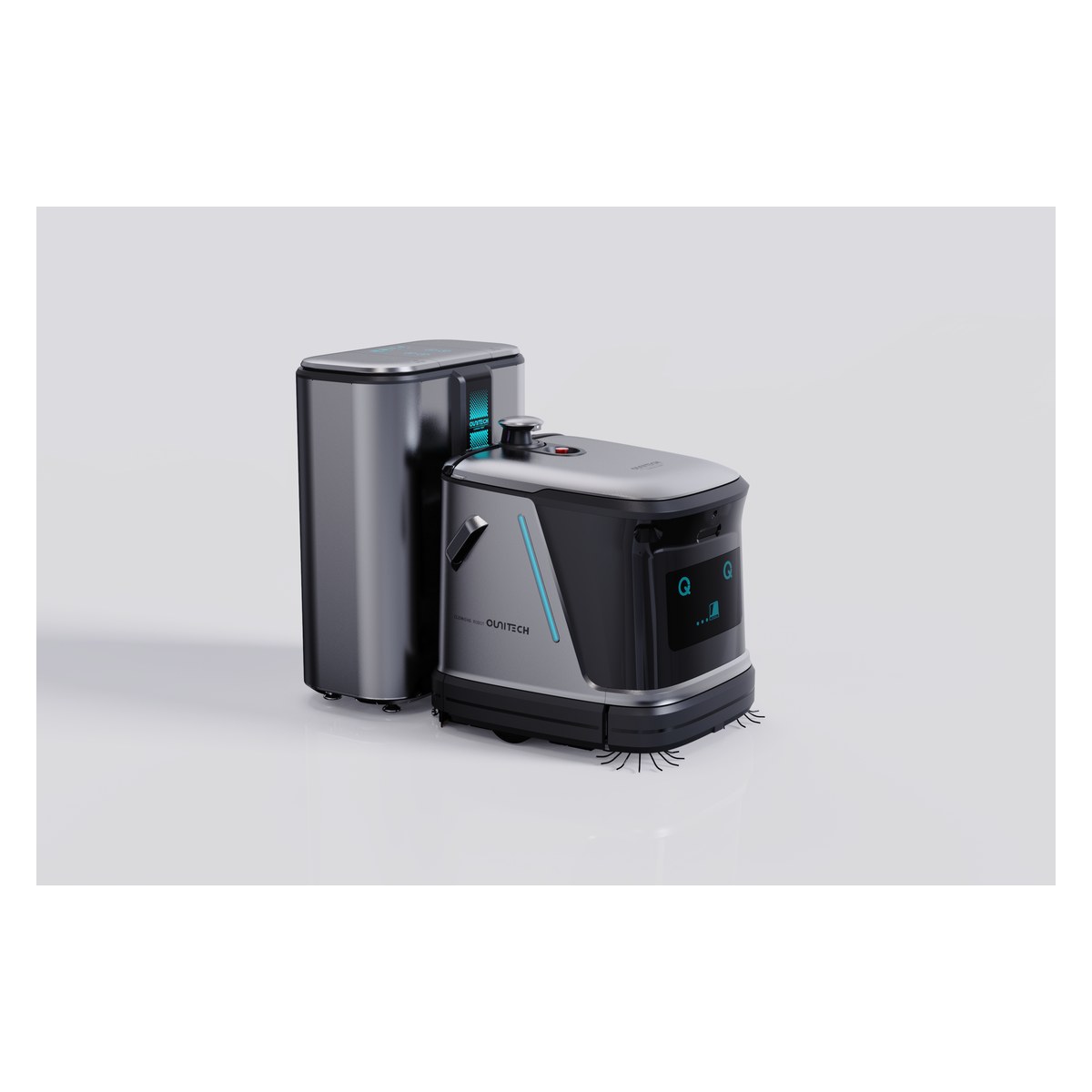
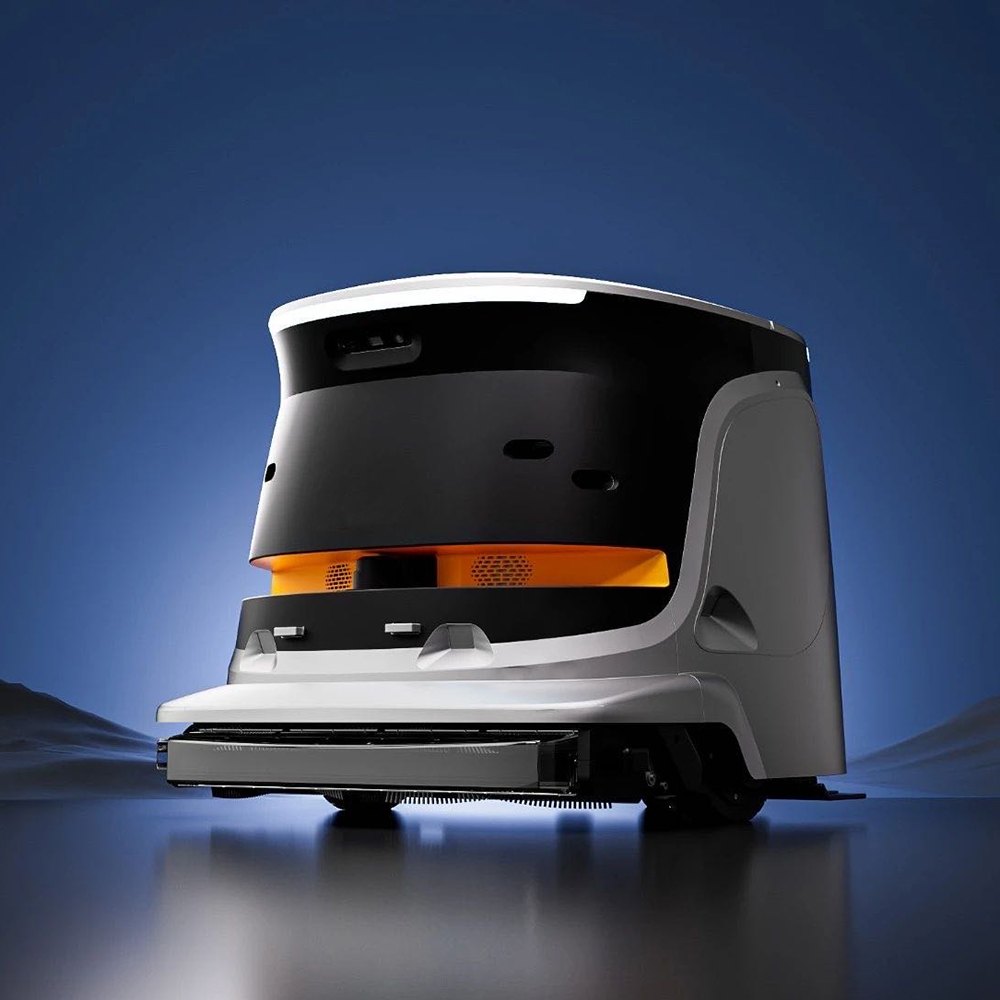
Photo: PanPanTech PT90-class robotic floor scrubber — built for large open routes.
What do they really cost per month?
Compare monthly totals, not sticker prices. A walk-behind is cheap to buy but consumes an operator; at typical US janitorial wages that operator costs $3,500–4,500 per month with burden. A robotic scrubber on a RaaS plan runs roughly $450–1,200 per month — and does the floor share of that operator's work.
$1.4–3.3k
Walk-behind purchase range (compact → self-propelled)
Two honest caveats. First, robots only earn their keep when they run — a robot cleaning twice a week on a small floor never catches up with its price. Second, purchase quotes must include software, consumables, training, spare parts, and service response; a bare-machine price comparison always flatters the wrong option. The full labor math, including turnover costs, is in our article on the 7 benefits of autonomous cleaning robots.
How should you calculate payback?
Start with the labor hours spent on repeatable open-floor scrubbing, not the whole cleaning contract. A robot does not clean restrooms, dust shelves, or respond to spills; it absorbs the repetitive floor route that keeps a walk-behind operator busy every night.
A practical model has five lines. First, measure cleanable hard-floor area and the current time required per run. Second, multiply those hours by fully loaded labor cost, including benefits, overtime premiums, supervision, and turnover. Third, subtract the robot's monthly cost: financing or RaaS, consumables, software, service, and expected spare parts. Fourth, keep a small labor line for fill/dump, charging checks, route review, and exception handling. Fifth, divide robot investment by the annual net savings.
Payback inputWalk-behind caseRobotic caseWhat to verify
Route hoursOperator drives the full routeStaff only launch, inspect, and resolve exceptionsTime study the same floor area for one week
Labor rateHourly wage plus benefits and turnoverReduced floor-route labor, not zero laborUse local wages; BLS is only a US reference point
ConsumablesBrushes, pads, squeegees, detergentSame categories, plus sensors and filtersAsk for a 12-month wear-parts kit
Service riskSimple repairs, easier backup machineNeeds trained support and spare parts availabilityConfirm response time before purchase
The key threshold is utilization. A robot running six or seven nights a week can justify its sensors, software, and service package. The same robot running one short route twice a week usually cannot. If the route is marginal, ask the supplier to quote both a compact autonomous machine and a walk-behind plan so the comparison stays honest.
When does each machine win?
AChoose a robotic floor scrubber when…
→You clean 3,000 m²+ of open hard floor daily — warehouses, supermarkets, malls, terminals. See warehouse deployments.
→Night or off-peak cleaning currently requires a paid shift.
→You need documented, auditable cleaning for tenants or contracts.
→Hiring and keeping cleaning staff is a recurring problem.
BChoose a walk-behind scrubber when…
→The cleanable area is under ~3,000 m², or split into many small rooms.
→The layout changes constantly — pop-ups, events, construction phases.
→Budget is capped at a few thousand dollars and labor is already in place.
→You mainly need spot response and edge work, not scheduled coverage.
What site conditions make a robot deployment succeed?
A robotic scrubber needs a repeatable environment. The best sites have wide aisles, stable overnight layouts, predictable traffic, hard floors in decent condition, and a clear place for the robot to charge and handle water. Facilities with frequent event layouts, temporary pallets, unsecured cables, or many small rooms should either start with a limited pilot route or keep walk-behind equipment as the primary tool.
→Route stability: map the main aisles, no-go zones, glass walls, ramps, dock doors, and recurring obstacles before commissioning.
→Water workflow: decide who fills clean water, empties recovery tanks, rinses filters, and where this happens. A dock or water station reduces daily handling.
→People and traffic: set rules for forklifts, shoppers, patients, or night security teams. Robots avoid obstacles, but operating rules still matter.
→Floor condition: cracked tile, steep ramps, loose mats, and floor drains can turn a good robot into a poor deployment. Test the worst route, not only the showroom route.
For a first deployment, pilot one route that represents the real site: a long aisle, a tight turn, one traffic crossing, and the normal soil load after a busy day. If that route works for two weeks with clean reports and few interventions, scaling to more routes is mostly a training and scheduling exercise.
What should buyers check for safety and service?
A robotic floor scrubber is a moving machine in a public or industrial space. Buyers should verify not only the cleaning result, but also obstacle detection, emergency stops, speed behavior, documentation, spare parts, and local support.
For safety, ask how the robot detects people, low objects, glass, forklift traffic, ramps, and drop-offs. Confirm the emergency stop locations, audible/visual alerts, and whether the supplier can explain alignment with ISO 3691-4 for driverless industrial trucks where relevant. In US workplaces, wet floors and walking-working surfaces also connect to OSHA housekeeping and slip-prevention expectations, so the deployment plan should define signage, recovery water control, and route timing.
Question to askWhy it mattersGood answer looks like
Who services the robot locally?Downtime can erase labor savingsNamed support channel, spare parts stock, response SLA
What is included in warranty?Batteries, sensors, and consumables differ by supplierWritten terms for battery, motors, sensors, software, wear parts
What reports are exported?Facility teams need proof of workCoverage maps, run time, exceptions, water/battery, route history
How are staff trained?Most failures are workflow failuresOperator checklist, supervisor dashboard training, maintenance routine
The pattern most facilities land on: a hybrid fleet
In mature deployments the question stops being either/or. The robot owns the large, repetitive routes every night; one walk-behind stays for edges, corners, restrooms surrounds, and spills. Staff hours shift from pushing a machine across open floor to detail work the robot cannot do.
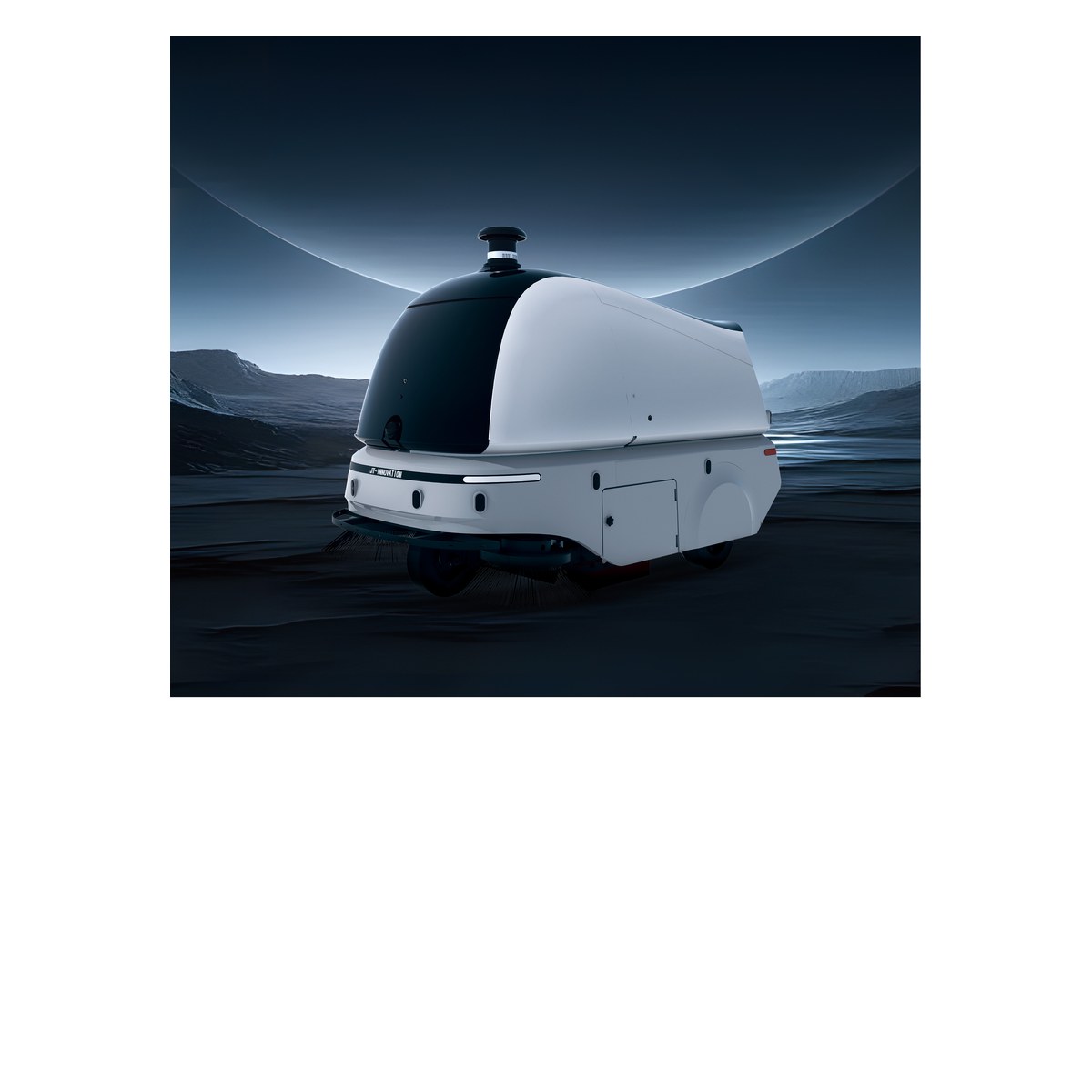
Photo: PanPanTech XG-class industrial scrubbing robot — the night-route half of a hybrid fleet.
FAQ
Is a robotic floor scrubber worth it over a walk-behind?
On 3,000 m²+ of open hard floor cleaned daily, yes — labor savings typically pay the robot back in 12–24 months. Under that threshold, or in cluttered layouts, a walk-behind at a fraction of the upfront cost is usually the better buy.
How much does a robotic floor scrubber cost?
Purchase prices run from the low to mid five figures (USD) depending on class, while Robots-as-a-Service plans run roughly $450–1,200 per robot per month including service. Walk-behind scrubbers range from about $1,400 for compact units to $3,300+ for self-propelled models.
How do I calculate payback?
Start with the hours currently spent pushing a walk-behind on repeatable open floor, multiply by fully loaded hourly labor cost, then subtract robot service, consumables, and supervision time. The remaining annual savings divided into robot cost gives a payback range.
Can a robotic scrubber fully replace a walk-behind?
Usually not entirely. Robots excel on large open routes; most facilities keep one walk-behind for edges, corners, spills, and tight zones the robot skips. The common end state is a hybrid fleet.
Do robotic floor scrubbers need an operator?
Not during cleaning. Staff spend minutes per day filling and emptying tanks, reviewing exception alerts, and doing weekly brush, squeegee, filter, and sensor checks.
What site preparation does a robotic scrubber need?
The site needs stable routes, clear storage for the robot, a charging area, water fill and dump workflow, trained staff, and rules for ramps, elevators, doors, and shared traffic.
What about ride-on scrubbers?
Ride-on machines suit very large sites with a dedicated operator. They clean fast but still consume a full-time driver; autonomous robots target exactly that labor line. Many large facilities replace night ride-on shifts with robots and keep the ride-on for periodic deep cleans.
What specs should I compare before buying?
Cleaning path width, theoretical vs practical coverage (m²/h), tank capacities, runtime and recharge time, minimum aisle width, docking and water-station options, safety alignment such as ISO 3691-4, and the service package — consumables, spare parts, response time.